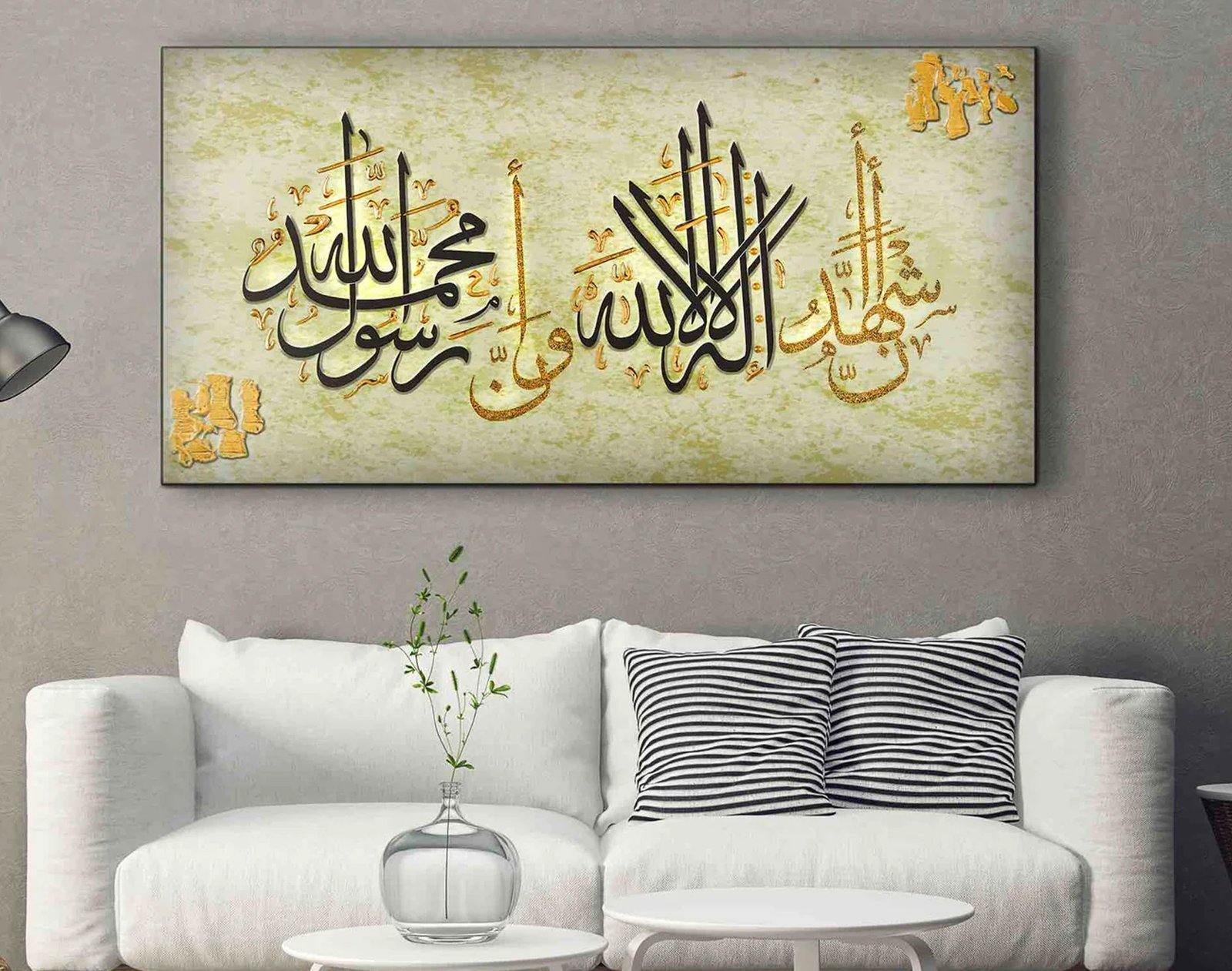
Arabic calligraphy is a revered art form that blends spiritual devotion with visual elegance, rooted in the Arabic script and Islamic tradition.
🖋️ What Is Arabic Calligraphy?
Arabic calligraphy, known as khatt al-‘arabi (الخط العربي), is the artistic practice of handwriting using the Arabic alphabet. It originated as a sacred art to beautify the words of the Qur’an, reflecting divine beauty through form and flow. Over centuries, it evolved into a cultural and aesthetic expression found in architecture, manuscripts, textiles, and modern design.
📜 Historical Origins
- Kufic Script: The oldest style, developed in Kufa, Iraq. It features bold, angular lines and was widely used in early Qur’anic manuscripts and architectural decoration.
- Naskh Script: Emerged as a readable, rounded style ideal for everyday writing and printing. It became the standard for Qur’anic texts.
- Thuluth Script: Known for its large, curved letters and dramatic flourishes, often used in mosque inscriptions and artistic compositions.
- Diwani and Diwani Jali: Developed during the Ottoman era, these styles are ornate and decorative, used in royal decrees and formal documents.
- Nasta’liq: A poetic and flowing style popular in Persian and Urdu calligraphy, resembling suspended clouds.
- Ruq’ah: A simple, utilitarian script used for handwriting and official documents.
- Maghrebi: A regional style from North Africa, characterized by wide loops and sweeping curves.
🎨 Cultural Significance
Arabic calligraphy is more than beautiful writing—it’s a spiritual and cultural legacy. It has been deeply tied to:
- Religion: Used to transcribe the Qur’an and decorate mosques.
- Art and Architecture: Found in tiles, domes, and walls across the Islamic world.
- Education and Craftsmanship: Passed down through generations of master calligraphers.
✨ Modern Influence
Today, Arabic calligraphy continues to inspire graphic design, fashion, and contemporary art. It’s seen in logos (like Al Jazeera), tattoos, and digital typography, bridging tradition with innovation.
Would you like to explore how to learn Arabic calligraphy or see examples of each style?